Elderly & long-term care
Palliative care at home, centred on comfort and dignity
Comfort-focused nursing for serious illness: relief from pain and symptoms, and support for the family.
- Licensed nurses
- Price agreed before care starts
- Female and Arabic-speaking nurses on request
Book Palliative Care
Leave your number and a coordinator will call you back.
Overview
About Palliative Care
When an illness cannot be cured, care does not stop. It changes its purpose: comfort, dignity and time with the people who matter, in the place the patient chooses.
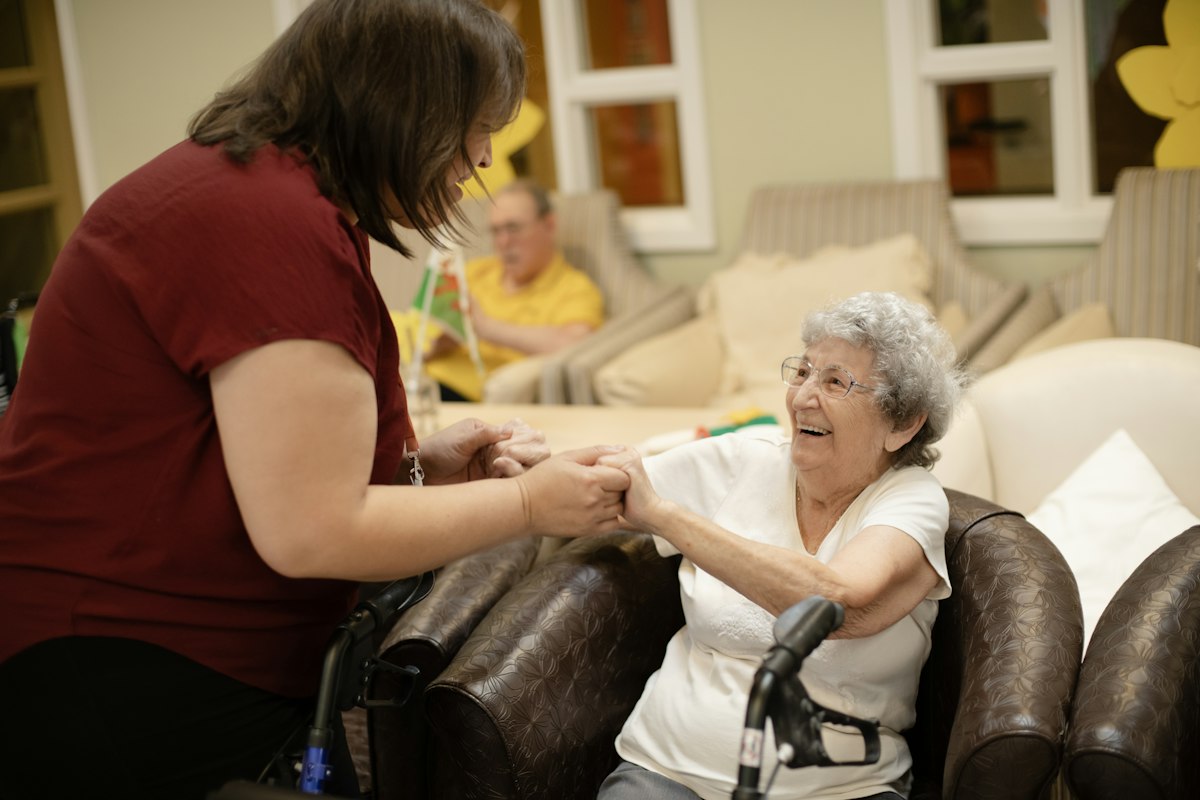
Our palliative nurses work with the treating doctor to keep pain and other symptoms under control. They care for the patient gently and they look after the family too, explaining what is happening and what to expect.
Our nurses provide care under your doctor's treatment plan. They do not replace your doctor, and they do not diagnose or prescribe.
What is included
- Pain and symptom relief as prescribed
- Gentle personal care, positioning and skin protection
- Help with eating, drinking and mouth care
- Emotional support for the patient and the family
- Day, night or 24-hour presence
Who it is for
- Patients with advanced cancer or organ failure
- People who wish to be cared for at home rather than in hospital
- Families who need experienced support at a hard time
When families call us
- The doctor has said treatment will now focus on comfort.
- Pain, breathlessness or nausea are not well controlled at home.
- Your relative wants to leave hospital and be at home with family.
- The family is frightened of being alone with the patient at night.
- You are unsure what changes to expect and whom to ask.
Why it helps
Why families choose Palliative Care
Symptoms kept in check
The nurse gives prescribed pain and symptom medicines on time, watches how well they work and tells the doctor promptly when they are not enough.
Home, not a ward
The patient stays in their own bed, with family, visitors, food and prayer as they wish, without hospital routines or visiting hours.
Honest, kind explanations
Families are told gently what is happening and what may come next, so that changes are less frightening when they arrive.
Someone beside you
A nurse in the house, especially at night, means the family can rest and simply be with the person they love.
Step by step
What a visit looks like
Every patient is different, but this is the usual order of things.
Book a nurseAssessing comfort
The nurse begins by asking about pain, breathing, nausea, sleep and worries, and by observing the patient, then compares this with the previous notes.
Medicines for relief
Prescribed medicines are given on schedule, including extra doses the doctor has allowed for breakthrough pain. Each dose and its effect is recorded.
Gentle personal care
Washing, mouth care and changes of position are done slowly and at times that suit the patient, to protect the skin without causing fatigue.
Food, drink and quiet
Small amounts of favourite food and drink are offered without pressure. The nurse keeps the room calm and makes space for family, visitors and faith.
Time with the family
The nurse answers questions, explains any changes seen during the shift, and agrees with the family when the doctor should be called.
Ways to book
Ways to book Palliative Care
Book one visit or have a nurse with you around the clock. You can change the pattern whenever needs change.
Single visit
For a specific task such as an injection, a dressing change or a check-up.
Price on requestper visit02Most booked12-hour shift
A nurse with the patient through the day or through the night.
Price on requestper shift0324-hour care
Round-the-clock nursing for patients who should not be left alone.
Price on requestper day04Monthly package
Long-term care with a regular nurse at a better rate.
Price on requestper monthHow it works
From first call to care at home
Tell us what you need
Call, message us on WhatsApp or send the form. A coordinator asks a few questions about the patient and the care required.
We match your nurse
We choose a nurse with the right experience and agree the schedule and the price with you before anything starts.
Care begins at home
Your nurse arrives on time, follows the doctor's plan and keeps the family informed after every visit.
Questions
Palliative Care: common questions
Cannot find your question? Ask a coordinator. There is no charge for asking.
How much does palliative care at home cost in Dubai?
The cost depends on the number of hours, the nursing needed, for example injections or oxygen ordered by the doctor, the expected duration and your location. Families often begin with visits or a 12-hour shift and move to 24-hour care as needs grow. We confirm the price with you before care starts.
How quickly can a palliative care nurse start?
It depends on where you live and the care required. We understand that time matters in these situations, so contact us as soon as you can, tell us what the doctor has advised, and we will give you the earliest time a nurse can come. We do not promise a time we cannot keep.
What is the difference between palliative care and hospice care?
Palliative care is comfort-focused care for anyone with a serious illness, and it can be given alongside treatment such as chemotherapy or dialysis. Hospice or end-of-life care is palliative care in the last weeks or months, when treatment aimed at cure has stopped. Our nurses provide comfort care at home in both situations, under the doctor's plan.
Can a nurse give morphine or strong painkillers at home?
A nurse can give pain medicines that the treating doctor has prescribed, in the dose and by the route ordered, and record their effect. Nurses cannot prescribe or change doses themselves. Strong painkillers are controlled medicines in the UAE and must be prescribed and dispensed through the proper channels by the doctor and pharmacy.
Can a nurse stay overnight with a palliative patient?
Yes. Nights are often the hardest time. On a 12-hour night shift the nurse stays awake beside the patient, gives prescribed medicines, changes position, eases restlessness or breathlessness as the doctor has instructed, and wakes the family if there is a change they would want to know about.
What happens if the patient suddenly gets worse at home?
The nurse follows the plan agreed with the treating doctor and the family, gives the medicines prescribed for that situation and contacts the doctor. Home nursing is not an emergency service. If the family wants emergency treatment, the ambulance number is 998. It helps to discuss these wishes with the doctor in advance, so everyone knows what to do.
Where we work
Palliative Care across the Emirates
Tell us your area when you book and we will confirm the nearest available nurse.
Elderly & long-term care
Other services
Elderly Care
Patient, respectful nursing for older adults who want to stay in their own home, safely and with dignity.
Learn moreDementia & Alzheimer's Care
Calm, patient nursing for people living with memory loss, in the familiar surroundings of their own home.
Learn moreStroke Recovery Care
Nursing care at home after a stroke, supporting daily needs, medicines and the exercises set by the rehabilitation team.
Learn moreNeed a nurse at home today?
Speak to a coordinator now. We will tell you who can come and when.